
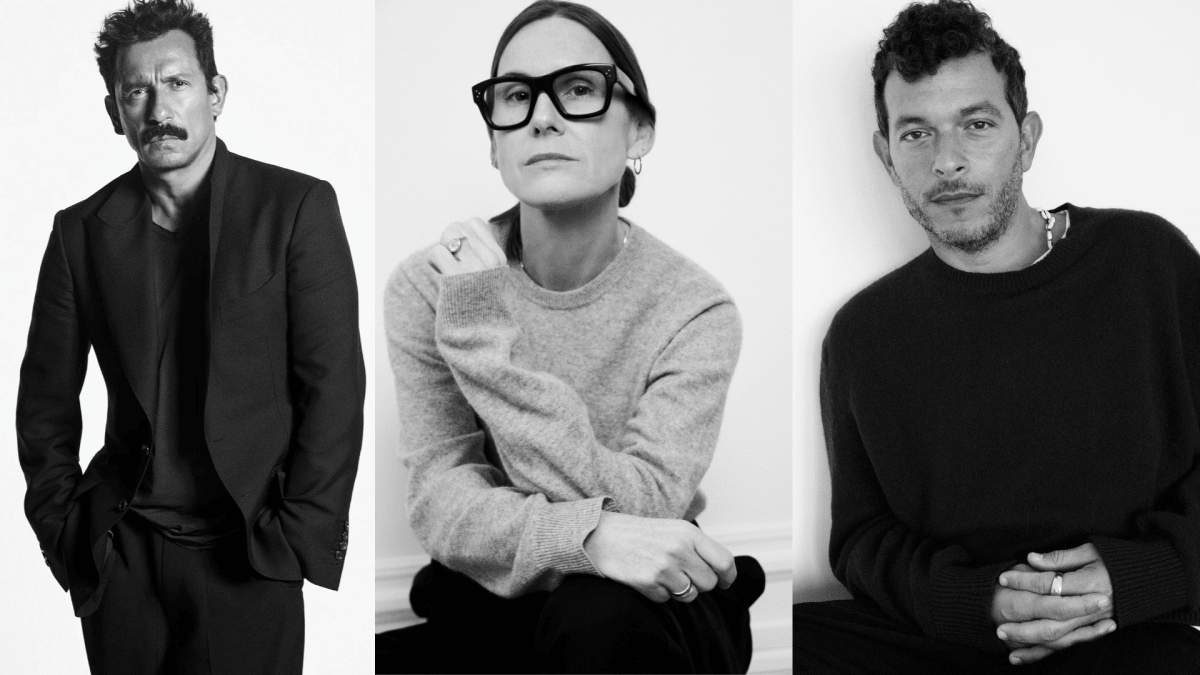
New Creative Directors at Milan Fashion Houses in 2026. Milan Fashion Week 2026 isn’t just about new collections — it’s about new voices shaping the future of fashion.
A wave of creative director appointments and leadership changes is redefining old hierarchies, inspiring fresh visions, and bringing dynamic new energy to some of the world’s most iconic fashion houses.
After a period of dramatic shifts across the global fashion industry, Milan — long regarded as one of the “big four” fashion capitals — is showcasing what happens when fresh creative leadership meets Italian craftsmanship, heritage, and couture DNA. From legacy houses adjusting after founder departures to bold newcomers taking center stage, the creative landscape in Milan is evolving in compelling ways.
In this guide, we explore the key creative director changes in Milan for 2026 — who they are, what they’ve done, and what their leadership means for the future of fashion.
The Creative Director Shake‑Up: A New Era in Milan
From Spring/Summer to Autumn/Winter 2026, Milan’s shows have embodied a larger industry trend: a changing of the guard. Creative leadership roles that once seemed stable have been filled with bold new appointments, signaling both continuity and transformation across fashion houses.
In recent seasons, designers and brands globally have entered a period of strategic reassessment, advancing new voices and rethinking how creative leadership fits into fast‑changing luxury landscapes. This shift has been referred to by fashion insiders as “fashion’s real reset”, where creativity must now align more closely with strategic business priorities and culturally relevant storytelling.
Giorgio Armani: Continuity Through a Legendary Transition
One of the most poignant transitions in Milan’s 2026 fashion narrative revolves around Giorgio Armani, the fashion titan who passed away in September 2025. Armani’s legacy stretches back decades, defined by refined tailoring, understated elegance, and luxurious simplicity. With his departure, the house faced the challenge of preserving that identity while embracing new direction.
Leading this transformation is Leo Dell’Orco, a longtime Armani collaborator and menswear design head. His debut menswear collection — titled Cangiante — marked the first time Armani’s menswear was presented without the founder. It blended the house’s signature soft tailoring with vibrant, iridescent jewel tones and rich materials like velvet and cashmere — a subtle but meaningful evolution of the brand’s aesthetic.
What to Expect: Dell’Orco’s creative direction honors Armani’s heritage while injecting a renewed sense of color, texture, and energy. The emphasis is on evolution rather than revolution, preserving the house’s elegant language while exploring expressive possibilities. The focus remains on craftsmanship and wearable luxury, appealing to established loyalists and younger audiences alike.
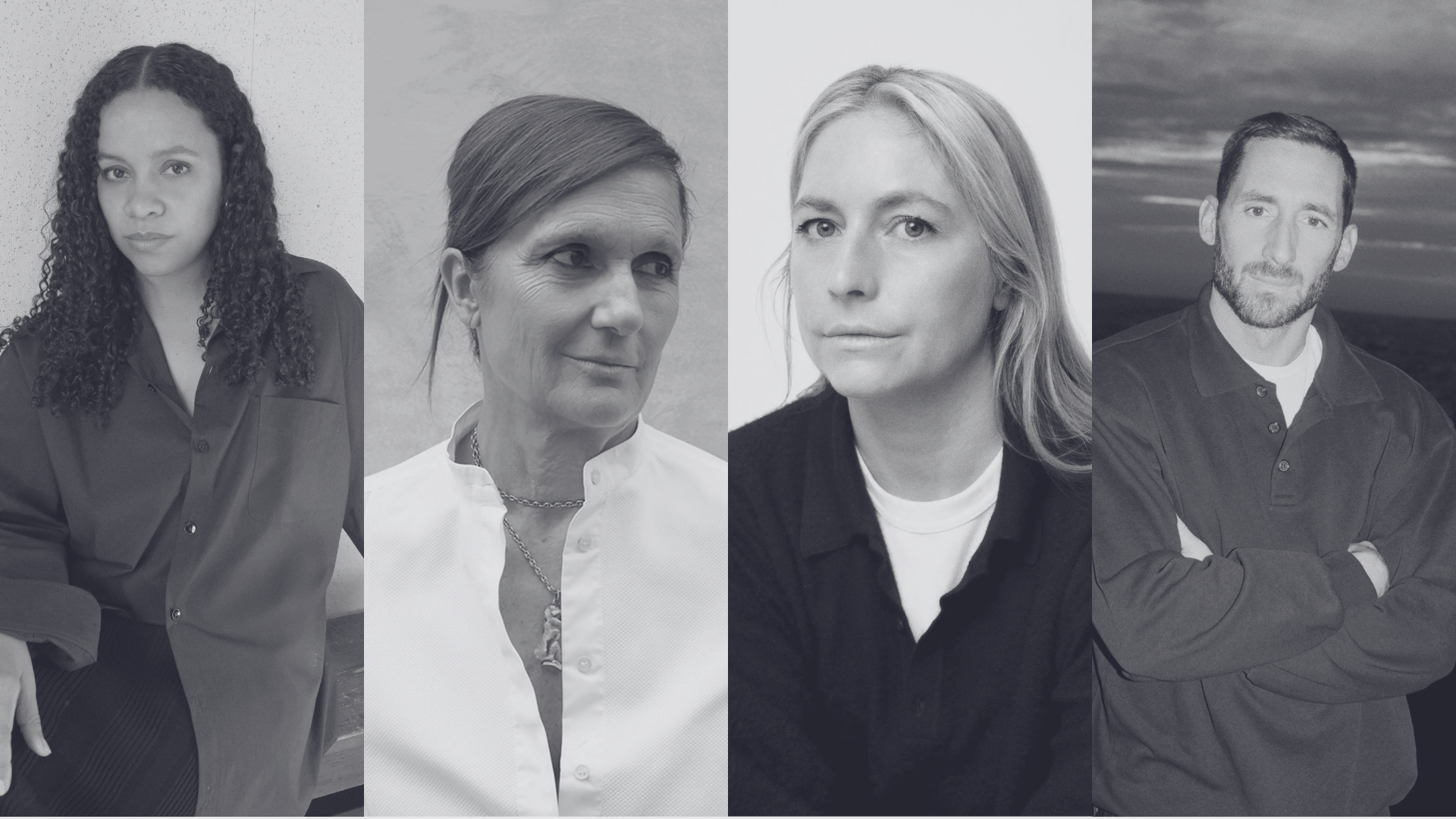
Gucci: Demna’s Bold Reimagining and Cultural Narrative
One of the most high‑profile leadership appointments in Milan’s recent history is Demna’s takeover at Gucci. The Georgian designer — known for his disruptive, often avant‑garde work at Balenciaga — stepped into Gucci’s creative director role, introducing a fresh conceptual approach to the brand’s heritage.
His first collection, La Famiglia, was unveiled via an imaginative lookbook followed by a cinematic film titled “The Tiger” directed by Spike Jonze and Halina Reijn — a storytelling choice that blurred boundaries between fashion and narrative art. The collection drew on archetypes like the “Partyboy” and “Nerd,” mixing silk shirts, leather biker jackets, tailored suits, and iconic Gucci stripe detailing with Demna’s signature broad silhouettes and tailored twists.
What to Expect: Demna’s tenure at Gucci is likely to push the brand further into concept‑driven fashion, where storytelling and symbolic references are as important as the clothes themselves. Expect collaborations with artists, unexpected media integrations, and collections that challenge traditional fashion show formats.
Bottega Veneta: Louise Trotter’s First Milan Runway
Another notable creative change for Milan Fashion Week SS26 was Louise Trotter’s debut at Bottega Veneta. Trotter’s appointment represents a significant shift for the house, known for its quiet luxury and artisanal leatherwork. She took the creative reins with a fresh perspective, offering her first collection in September 2025 and presenting it during Milan Fashion Week 2026.
What to Expect: Trotter’s leadership at Bottega Veneta blends respect for the house’s heritage with considered updates that emphasize tactile design and thoughtful proportions. Her work is expected to lean into the brand’s DNA — intuitive luxury — while making space for minimalist innovation and fresh dialogue with contemporary fashion audiences.
Jil Sander: Simone Bellotti’s Minimalist Mastery
At Jil Sander, Italian designer Simone Bellotti made his debut as creative director with the Spring/Summer 2026 show. Bellotti, who previously worked with major houses like Gucci, Dolce & Gabbana, and Bottega Veneta, unveiled a collection characterized by pure minimalism and refined restraint — hallmarks of Jil Sander’s aesthetic.
His take maintained the label’s signature clarity and precision while introducing vibrant accents and contemporary structures — from “austere tailoring” to sheer fabrics and unexpected color injections like electric blue and ultraviolet woven with neutral tones.
What to Expect: Bellotti’s leadership is a reminder that minimalism remains a powerful force in luxury fashion. Expect Jil Sander to continue championing precision, balance, and thoughtful composition, appealing to fashion purists and modern professionals alike.
Versace: A Short But Influential Chapter with Dario Vitale
Instead of a gradual evolution, the story of Versace’s creative direction in 2026 has been dramatic. In April 2025, Dario Vitale succeeded Donatella Versace as Chief Creative Officer — her first departure from the role she held for nearly three decades. Vitale’s debut collection for Versace showcased a fresh luxury sensibility, emphasizing elegant eveningwear restrained from the house’s signature logos and bold prints. This departure from the past opened space for a sleek, chic narrative that still honored Versace’s legacy while speaking to a new epoch.
However, by late 2025 Vitale had stepped down from the role amid broader strategic shifts connected to Versace’s acquisition by the Prada Group. (turn0reddit69)
What to Expect: While Vitale’s tenure was brief, his influence highlighted Versace’s potential to evolve beyond its classic ostentatious style toward refined, understated glamour. As ownership shifts under the Prada Group, fresh leadership could further reposition the brand — possibly blending Versace’s bold heritage with the sartorial rigor associated with Prada’s design philosophy.
Fendi: Maria Grazia Chiuri’s Triumphant Return
A major creative shift with deep roots is Maria Grazia Chiuri’s return to Fendi as Chief Creative Officer. Chiuri, an Italian design powerhouse, began her career with Fendi before later leading Dior’s women’s creative direction and helping shape modern luxury narratives worldwide. Her appointment marks a full‑circle moment, bringing seasoned vision and international perspective back to the Roman house. (turn0reddit62)
What to Expect: Chiuri’s leadership at Fendi is poised to blend heritage craftsmanship with cultural storytelling. Known for balancing commercial success and artistic creativity, she is expected to emphasize both Fendi’s rich archive and forward‑thinking design — potentially instilling fresh energy into womenswear, menswear, and couture.
Broader Industry Movement: Milan as a Creative Lab
Beyond individual houses, Milan’s fashion environment in 2026 reflects a broader creative restructuring across the luxury system. After years of industry uncertainty and strategic realignment, fashion brands are looking to new creatives to drive relevance, cultural impact, and commercial growth. Houses that haven’t changed are reexamining what leadership means in an era of digital integration, sustainability demands, and richly layered storytelling.
Emerging designers and labels — from KNWLS to Dhruv Kapoor — are also making appearances on Milan’s runway schedules. This injection of fresh talent alongside seasoned leaders emphasizes Milan’s role as a creative incubator and industry bellwether.
What This Means for Fashion in 2026 and Beyond
The creative director shifts underway in Milan send three clear signals for the future of fashion:
1. Heritage Meets Innovation
Traditional houses are honoring their legacies while inviting new voices who bring novel perspectives and cultural fluency. Balancing heritage and forward momentum will be key to winning hearts and markets worldwide.
2. Storytelling Over Formula
New creative directors aren’t just designing clothes — they’re telling stories. Whether it’s Demna’s cinematic launch at Gucci or Bellotti’s minimal narrative at Jil Sander, fashion direction in 2026 is about concept and context, not just seasonal trends.
3. Fashion as Cultural Dialogue
Milan remains a space where culture, identity, and craftsmanship convene. Designers are integrating themes like sustainability, gender expression, and digital innovation into their collections — reflecting fashion’s expanding role in societal dialogue.
Final Thoughts
The creative director changes unfolding at Milan’s top fashion houses in 2026 aren’t mere personnel moves — they represent a transformation in vision, narrative, and industry direction. From Armani’s evolution under Leo Dell’Orco to Demna’s bold reinterpretation of Gucci, Simone Bellotti’s minimalist refinement at Jil Sander, Maria Grazia Chiuri’s powerful return to Fendi, and the exciting but complex reshaping of Versace’s identity, Milan’s fashion scene is entering a new chapter of innovation and expression.
As these leaders settle into their roles, the fashion world watches not only the collections they present — but the cultural conversations they ignite and the legacies they redefine.
About the Author


