
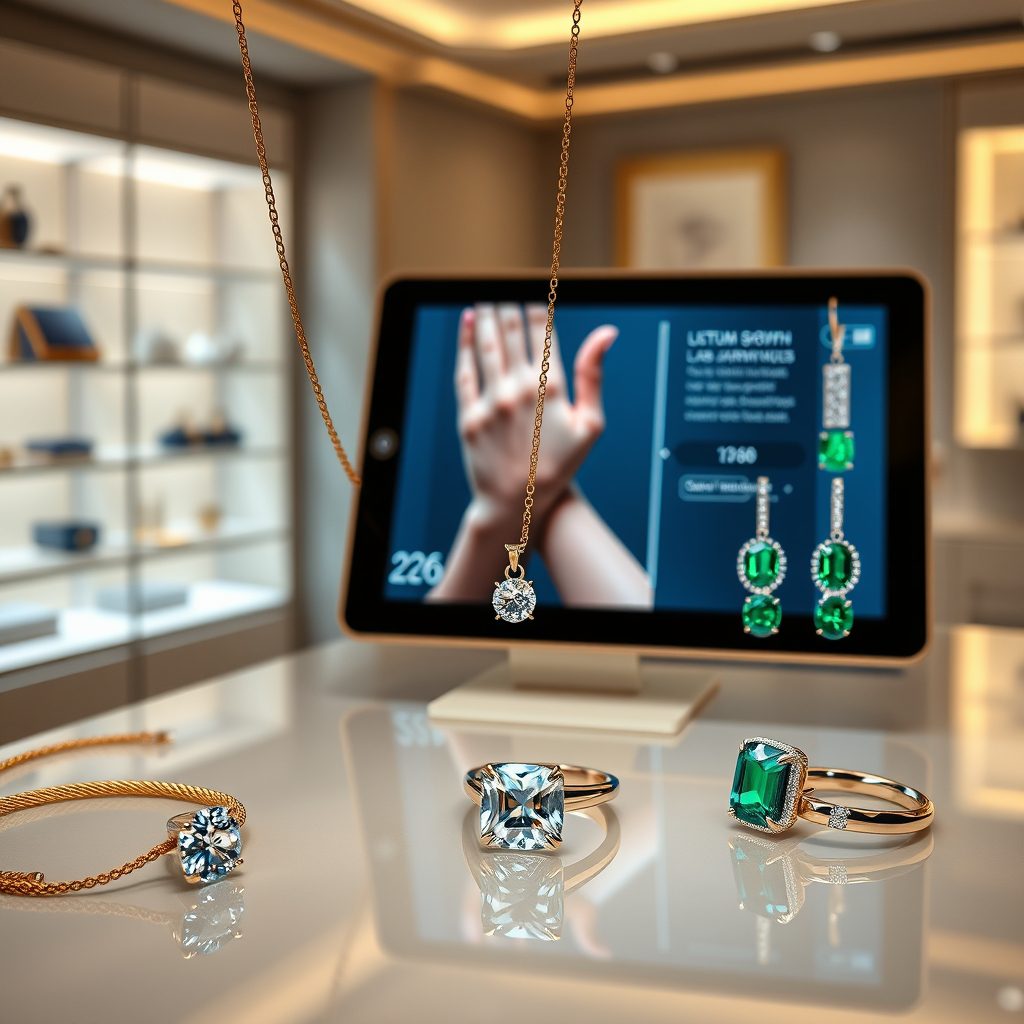
Jewelry and fine jewelry in 2026 represent more than just adornment—they embody personal expression, technological innovation, and shifting consumer values. As the luxury market evolves, so do the materials, designs, and purchasing behaviors shaping the industry. By 2026, experts predict a blend of sustainability, digital integration, and bespoke craftsmanship will redefine what it means to own and wear fine jewelry. Whether you’re a collector, designer, or enthusiast, understanding these trends will help you navigate the future of luxury accessories with confidence.
Furthermore, the demand for transparency and ethical sourcing continues to rise, driven by younger generations who prioritize responsibility over tradition. This shift is not just a fleeting trend but a fundamental change in how jewelry is perceived and valued. Next, we’ll explore the key factors influencing the market and what they mean for buyers and sellers alike.
What Are the Top Trends Shaping Jewelry & Fine Jewelry in 2026?
The jewelry industry is undergoing a transformation, with 2026 poised to highlight three major trends: sustainability, digital innovation, and personalization. First, eco-conscious consumers are demanding ethically sourced gemstones and recycled metals, pushing brands to adopt circular economy practices. In fact, a recent industry report estimates that by 2026, over 60% of fine jewelry brands will incorporate recycled gold or lab-grown diamonds into their collections.
In addition, digital tools like augmented reality (AR) and blockchain are revolutionizing the shopping experience. Customers can now virtually try on pieces or verify a gemstone’s origin with a simple scan. This tech-driven approach not only enhances transparency but also bridges the gap between online and in-store shopping. However, the human touch remains irreplaceable, especially in custom designs where artisans collaborate with clients to create one-of-a-kind pieces.
How Is Technology Redefining the Jewelry Shopping Experience?
Technology is no longer an optional luxury—it’s a necessity for brands aiming to stay competitive. For instance, AR apps allow users to preview how a necklace or ring will look on them before making a purchase. This feature has already increased conversion rates by up to 40% for early adopters. Moreover, blockchain technology ensures that every step of a gemstone’s journey—from mine to market—is recorded, giving buyers peace of mind about authenticity and ethics.
Yet, technology isn’t just about convenience; it’s also about storytelling. Brands are leveraging 3D printing to create intricate designs that were once impossible to craft by hand. These innovations are attracting a new wave of collectors who value both artistry and innovation. As we move toward 2026, expect to see even more brands merging traditional craftsmanship with cutting-edge tech.
Why Are Lab-Grown Diamonds Gaining Popularity in Fine Jewelry?
Lab-grown diamonds are no longer the underdog—they’re a mainstream choice for modern consumers. In 2026, their market share is projected to reach 15% of all diamond sales, up from just 5% in 2020. This surge is driven by affordability, ethical concerns, and environmental benefits. Unlike mined diamonds, lab-grown stones require significantly less water and energy to produce, making them a sustainable alternative.
Furthermore, younger buyers, particularly Millennials and Gen Z, are leading this shift. They view lab-grown diamonds as a way to enjoy luxury without compromising their values. Brands are responding by expanding their collections to include these stones, often at prices 30-50% lower than their mined counterparts. However, traditionalists argue that natural diamonds hold sentimental and investment value that lab-grown stones cannot replicate.
Will Customization Become the New Standard in Fine Jewelry?
Personalization is no longer a niche offering—it’s an expectation. By 2026, over 70% of fine jewelry purchases are expected to involve some level of customization, whether it’s engraving, gemstone selection, or bespoke design. This trend reflects a broader cultural shift toward individuality, where consumers seek pieces that tell their unique stories.
Brands are meeting this demand by offering interactive design tools on their websites, allowing customers to co-create their jewelry. For example, some companies provide virtual consultations with master jewelers, where clients can tweak designs in real time. This level of engagement not only enhances the buying experience but also fosters brand loyalty. As customization becomes more accessible, it’s likely to redefine the very concept of luxury in the jewelry market.
How Are Economic Factors Influencing Jewelry & Fine Jewelry in 2026?
The global economy plays a pivotal role in shaping the jewelry industry, and 2026 is no exception. Inflation and fluctuating gold prices have made consumers more price-sensitive, prompting brands to offer flexible payment options like installment plans. Additionally, the rise of pre-owned luxury jewelry is creating a secondary market where buyers can find high-quality pieces at a fraction of the retail price.
Moreover, geopolitical tensions and supply chain disruptions continue to impact the availability of certain gemstones and metals. To mitigate these challenges, brands are diversifying their sourcing strategies and investing in local production. This shift not only reduces lead times but also aligns with the growing demand for transparency and traceability.
What Role Does Sustainability Play in the Future of Fine Jewelry?
Sustainability is no longer a buzzword—it’s a business imperative. By 2026, nearly 80% of luxury consumers will consider a brand’s environmental and social impact before making a purchase. This has led to a surge in initiatives like carbon-neutral production, fair-trade gemstones, and zero-waste packaging. Brands that fail to adapt risk losing relevance in an increasingly eco-conscious market.
In response, many companies are adopting circular economy principles, where materials are reused or recycled to minimize waste. For example, some brands now offer take-back programs, allowing customers to return old jewelry in exchange for store credit. This not only reduces environmental harm but also strengthens customer relationships. As sustainability becomes a non-negotiable factor, it will continue to shape the future of jewelry and fine jewelry alike.
FAQ: Your Top Questions About Jewelry & Fine Jewelry 2026 Answered
What Are the Most Popular Gemstones for Fine Jewelry in 2026?
In 2026, colored gemstones like sapphires, emeralds, and rubies are expected to dominate the fine jewelry market, alongside lab-grown diamonds. Sapphires, in particular, are gaining traction due to their durability and versatility, making them ideal for everyday wear. Additionally, rare and unique stones like alexandrite and tanzanite are becoming sought-after for their exclusivity and vibrant hues.
How Can I Ensure My Jewelry Purchase Is Ethical in 2026?
To ensure your jewelry purchase is ethical, look for certifications like the Responsible Jewellery Council (RJC) or Fairmined. These labels guarantee that the materials were sourced responsibly and that workers were treated fairly. Additionally, opt for brands that provide transparency about their supply chain and offer lab-grown or recycled materials as alternatives.
What Is the Average Price Range for Fine Jewelry in 2026?
The average price range for fine jewelry in 2026 varies widely depending on the materials and craftsmanship. For instance, a simple gold ring with a lab-grown diamond may cost between $500 and $2,000, while a high-end bespoke piece with natural gemstones can exceed $20,000. Customization and brand reputation also play significant roles in determining the final price.
As we approach 2026, the jewelry and fine jewelry industry is poised for exciting changes. From sustainable practices to technological advancements, these trends are reshaping how we perceive and purchase luxury accessories. Whether you’re investing in a timeless piece or exploring the latest innovations, staying informed will ensure your choices align with both your values and the future of the market.
About the Author


