
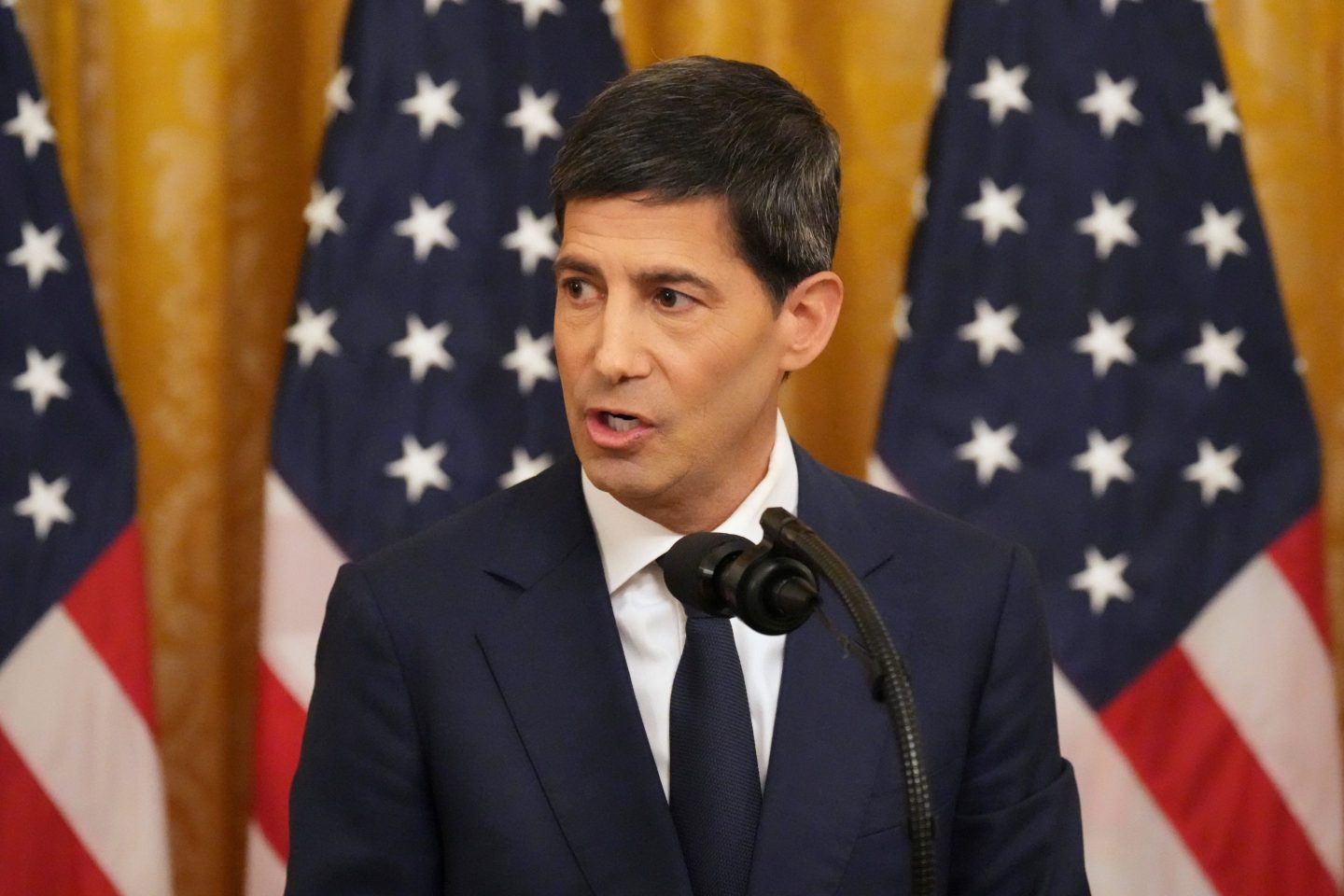
Why Kevin Warsh Fed decisions shift rates stems from his newly established role as the 17th chair of the Federal Reserve, combined with his specific monetary philosophy that prioritizes strict price stability and a sharp reduction of the central bank’s balance sheet. Taking office in May 2026, Warsh represents a significant departure from previous central bank communication and operational styles.
Financial markets adjust rapidly to his policy guidance because he holds immense structural power over global capital costs. When the head of the Federal Reserve signals a change in economic outlook, interest rates across commercial banking institutions inevitably shift in response. This analysis outlines the precise market dynamics and foundational principles explaining why his leadership alters the global interest rate landscape.
In addition to shifting consumer debt costs, his precise policy updates fundamentally change how institutional investors price long-term corporate risk. Many market participants mistakenly view central bank interest rate decisions as disconnected from day-to-day business operations. However, the Federal Open Market Committee sets the foundational cost of borrowing for the entire global economy. Let us examine the core mechanics of his monetary framework to see how his public directives translate directly into changing bond yields and credit terms.

How Does a Narrower Monetary Mandate Impact Financial Markets?
The primary reason his public pronouncements carry such exceptional weight rests within his unique philosophical view of central banking limits. Unlike some historical predecessors who favored expansive interventionist strategies, Warsh advocates for a highly focused approach to managing the money supply. He consistently argues that the central bank should maintain a narrow scope of intervention to avoid creating structural distortions within private capital markets. Consequently, investors monitor his official statements carefully to gauge when the government intends to step back from active market manipulation.
Furthermore, his explicit prioritization of the price stability component of the dual mandate heavily influences short-term interest rate expectations. In his initial 2026 press conferences, Warsh famously emphasized his focus on the left side of the decimal point regarding consumer prices. This precise focus signals an aggressive, uncompromising stance against sticky inflation pressures. If consumer price metrics run well ahead of long-stated target numbers, market participants immediately price in a higher probability of aggressive interest rate hikes.
Besides focusing on raw inflation numbers, his historical opposition to quantitative easing measures fundamentally alters long-term bond market dynamics. During his previous tenure as a Federal Reserve governor from 2006 to 2011, he expressed deep skepticism regarding multi-trillion dollar asset purchase programs. He maintains that excessive liquidity generation creates artificial asset bubbles and exacerbates wealth inequality across the country. Because the market knows he favors a much leaner balance sheet, long-term treasury yields naturally adjust upward to compensate for the reduction in central bank bond purchasing.
Why Did the Sharp Reduction in Communication Content Increase Market Volatility?
A highly visible operational change under his leadership involves a dramatic restructuring of the Federal Reserve’s communication strategy. For several decades, the central bank moved steadily toward providing highly detailed, exhaustive explanations of its future monetary paths. However, Warsh has intentionally reversed this specific trend to avoid over-promising on unpredictable economic forecasts. This sudden reduction in forward guidance forces market participants to rely much more heavily on real-time data inputs.
The immediate impact of this condensed communication style became entirely clear during recent policy meetings. For instance, the central bank’s official policy announcement was drastically cut to just 114 words, down from more than 300 words at previous meetings. This streamlined announcement completely eliminated explicit directional guidance regarding future interest rate cuts. Consequently, bond futures markets experienced sudden shifts in probability metrics as traders scrambled to interpret the concise text.
Furthermore, his decision to not submit a personal projection to the traditional dot plot of forecasts removes a key predictive tool for analysts. By withholding a specific personal rate trajectory, Warsh encourages the market to focus on underlying macroeconomic fundamentals rather than speculative central bank promises. This lack of explicit guidance means that even minor shifts in employment or manufacturing data can cause large, immediate fluctuations in commercial interest rates. Financial institutions must adjust their risk pricing quickly when the central bank refuses to guarantee a smooth, predictable path for capital costs.
How Do Global Supply Shocks and Domestic Deficits Force Policy Realignment?
The broader macroeconomic environment of 2026 presents an exceptionally complex backdrop for the implementation of new monetary policies. High fiscal deficits and persistent geopolitical tensions create continuous upward pressure on baseline structural inflation. When external forces drive up the cost of raw commodities, the Federal Reserve must respond aggressively to protect the purchasing power of the dollar. Warsh views these structural challenges as critical indicators that demand robust, decisive monetary action.
Specifically, the ongoing conflicts in the Middle East have repeatedly triggered volatile energy price shocks that complicate standard economic modeling. In May 2026, domestic consumer inflation hit 4.2%, remaining significantly above the central bank’s long-term 2% price stability objective. Because Warsh insists that inflation is ultimately a policy choice, he refuses to ignore these sticky numbers. The removal of traditional dovish wording from official statements proves that the committee is actively preparing the groundwork for potential rate increases to cool down persistent price pressures.
In addition to managing energy shocks, the central bank must navigate a highly intense debate regarding artificial intelligence productivity gains. Some technology analysts argue that rapid corporate automation will naturally lower manufacturing costs and justify a more relaxed interest rate policy. However, the current leadership team notes that realized productivity gains take years to flow fully through the broader macroeconomy. Until those structural supply-side efficiencies manifest clearly in core economic data, the Federal Reserve will likely maintain elevated borrowing costs to guarantee full price stability.

Frequently Asked Questions
What was the specific date of Kevin Warsh’s confirmation as Fed chair?
The United States Senate officially confirmed Kevin Warsh as a member of the Federal Reserve Board of Governors on May 12, 2026. The Senate then confirmed his appointment as the official chair of the Federal Reserve on May 13, 2026, succeeding Jerome Powell.
How does a reduction in the Fed’s balance sheet affect everyday consumer interest rates?
When the Federal Reserve reduces its balance sheet, it allows its massive holdings of government debt and mortgage-backed securities to mature without reinvestment. This process removes excess liquidity from the financial system, reducing the overall supply of loanable funds. Consequently, commercial banks must raise their internal lending standards, which directly drives up interest rates for mortgages, auto loans, and business credit lines.
Why does Kevin Warsh’s Wall Street background influence his approach to monetary policy?
Before his initial public service career, Warsh worked extensively in mergers and acquisitions as an executive director at Morgan Stanley. This deep private-sector experience gives him a highly practical understanding of how debt capital markets and investment banks react to regulatory decisions. Proponents argue this background helps him manage market stress efficiently, while critics watch closely to ensure his policies remain sensitive to average working households.
The Reality of Central Bank Leadership Shifts
Understanding why Kevin Warsh Fed decisions shift rates is crucial for any enterprise attempting to successfully navigate the modern financial landscape. By executing a sharp 114-word reduction in policy statements and actively targeting 4.2% inflation metrics, his administration has fundamentally reset market expectations. His commitment to a narrower central banking mandate means that interest rates will remain highly sensitive to real-time data rather than forward-looking promises. Ultimately, business leaders must abandon old assumptions regarding predictable monetary paths and prepare for a more dynamic, data-driven borrowing environment under this new leadership era.
About the Author


